Europe

Is the EU at war with the US or with itself?

The claim that the EU is “at war” with the US sounds hyperbolic at first glance. Washington remains Europe’s principal security guarantor, its largest external trading partner and (through NATO) the backbone of continental defence. Yet, beneath the formal architecture of alliance, a more corrosive dynamic has emerged. Policy choices taken in Brussels and several [...]

Is the EU at war with the US or with itself? Read More »

ARC and the powers determined to stop it

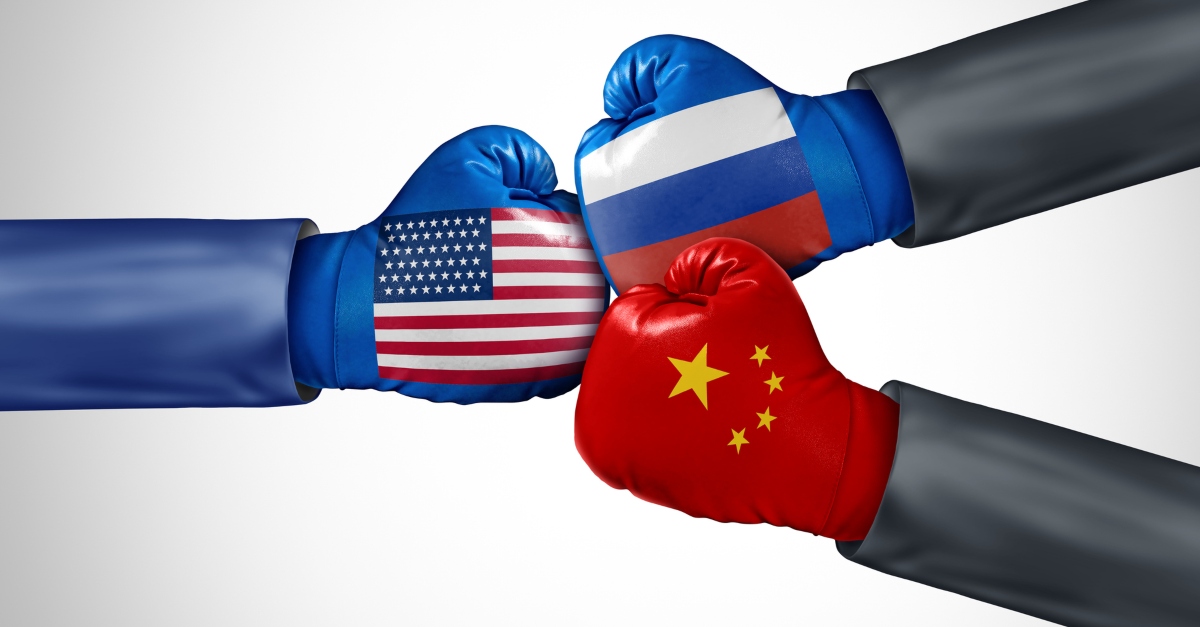
For the first time since the end of the Cold War, the world’s three largest powers (the US, Russia and China) are showing signs of drifting into a pragmatic triangular balance. It is not an alliance, and it is not ideological. It is, instead, the product of converging interests. Quiet US-Russia communications on energy and

ARC and the powers determined to stop it Read More »

Europe’s push for rare earth magnet production: can it wean off China?

Europe’s debut into large-scale rare-earth magnet manufacturing via the newly opened plant in Narva, Estonia, is a bold signal. Backed by EU funds and Canadian Export Credit Agency loans, this facility represents a strategic effort to break China’s long-standing stranglehold on critical magnet supply chains. But as promising as that may seem, the road to

Europe’s push for rare earth magnet production: can it wean off China? Read More »

Building Blocks – Suriname’s Emerging Offshore Oil Sector

Suriname is moving from frontier to pre-producer. TotalEnergies and APA’s October 2024 Final Investment Decision (FID) on Block 58 means it planned to start producing first oil in 2028, shifting attention from exploration to execution risk and market access. Staatsolie’s role and consolidation, reinforced by TotalEnergies’ entry into Block 53 in mid-2025, provide scale and

Building Blocks – Suriname’s Emerging Offshore Oil Sector Read More »

Central Asia: from sanctions to strategy

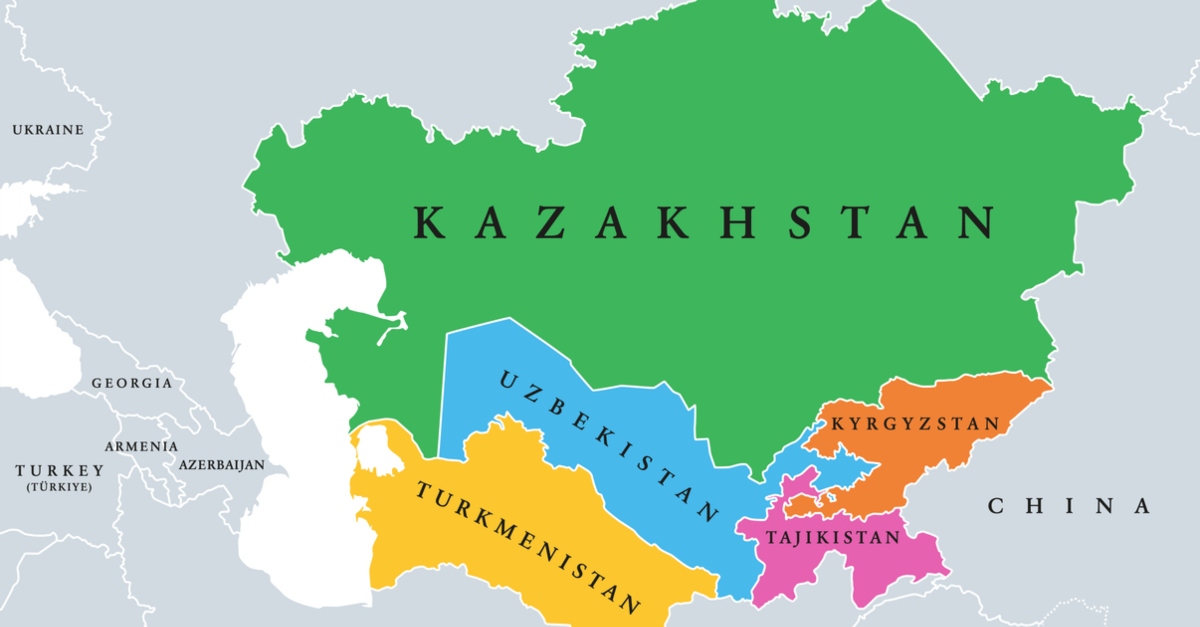
Kazakhstan is moving the fastest. Construction is under way on the new Darbaza-Maktaaral rail link to Uzbekistan (US$523 million) and a second track on the Dostyk-Moiynty section to lift China-Europe capacity five-fold by 2027. At the Caspian end, Aktau will add a 200,000 TEU container hub by 2025 for just US$42 million, while Kuryk gains

Central Asia: from sanctions to strategy Read More »

Turkish Tales: why investors are looking again at Turkey

After an eighteen-month monetary overhaul, Ankara is finally putting a lid on the price spiral that peaked above 70 percent last spring. The OECD’s April survey notes that, provided interest rates remain restrictive and fiscal discipline holds, consumer inflation should sink to single digits by 2027, bringing Turkey back within striking distance of its long-forgotten

Turkish Tales: why investors are looking again at Turkey Read More »

Kazakhstan: The Eurasian Trade Pivot

Kazakhstan enters mid-2025 in a somewhat different position from previous years. The economy is showing signs of stable growth, with the World Bank projecting GDP expansion driven by non-oil sectors, and revived investor interest. Inflation has eased, and fiscal buffers have been replenished following earlier shocks from the pandemic and energy price volatility. While hydrocarbons

Kazakhstan: The Eurasian Trade Pivot Read More »

China’s Opportunities: Western partners and allies

The evolving rift between Washington and Beijing is reshaping international trade and diplomacy. As the United States promotes a strategy of "de-risking" from China, aimed at reducing economic exposure without complete disengagement, Beijing is reinforcing its position as a necessary global partner. China continues to be as open for business as ever, offering investment opportunities

China’s Opportunities: Western partners and allies Read More »

The Tripolar Era: Trump’s bold moves, Xi’s strategy, and Europe’s fight for relevance

The world economy is entering a new era - one in which power is increasingly divided among three major continental blocs: the US, China and Europe. No longer a uni-polar world under post-Cold War US hegemony, the current landscape is defined by conflicting regulatory frameworks, trade policies and geopolitical ambitions. At the forefront of these

The Tripolar Era: Trump’s bold moves, Xi’s strategy, and Europe’s fight for relevance Read More »

The Rise of Economic Nationalism: how protectionist policies are ending globalism

Global trade’s share of economic output has decreased, while industrial policies focused on bolstering domestic industries are increasing, especially in wealthier countries. This change has since last year been dubbed "slowbalisation", signalling a slowdown in globalisation. However, rather than indicating a complete reversal, this shift reflects a growing emphasis on the protection of domestic industries,

The Rise of Economic Nationalism: how protectionist policies are ending globalism Read More »

Scroll to Top