Russia

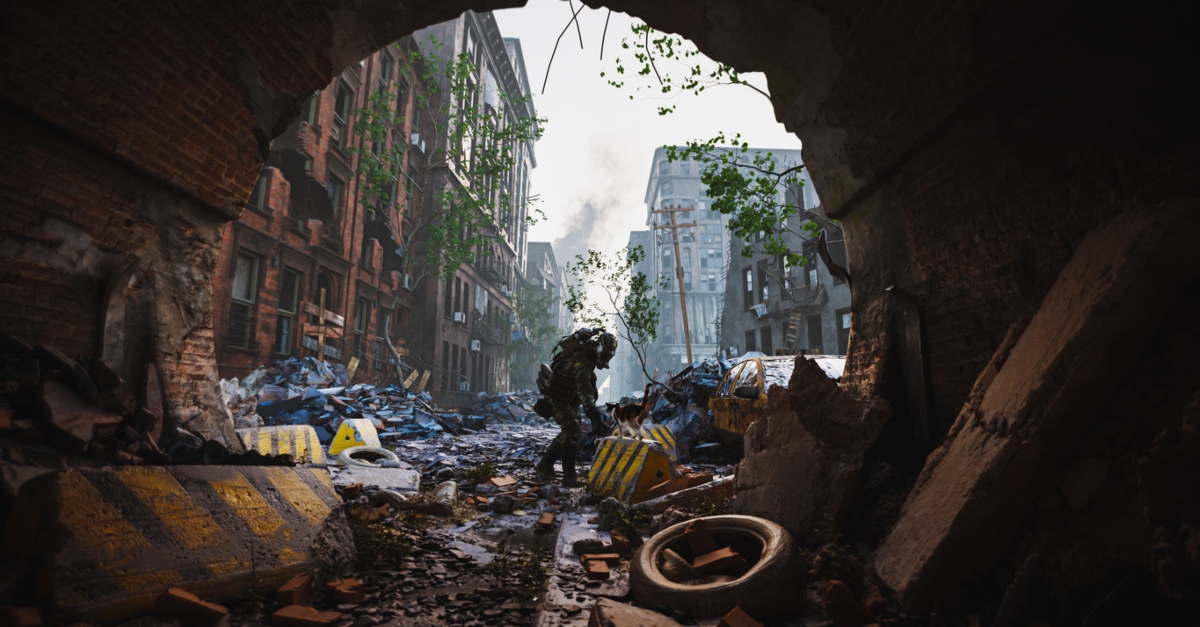
UK & Europe’s Critical Infrastructure

For the past 18-24 months, KCS Group International has been warning – repeatedly and with increasing urgency - that Europe’s critical infrastructure is dangerously exposed. What was once a forecast is now an undeniable reality. Russia’s hybrid operations have not only intensified but quadrupled in 2025, exploiting every weakness in a system that has been [...]

UK & Europe’s Critical Infrastructure Read More »

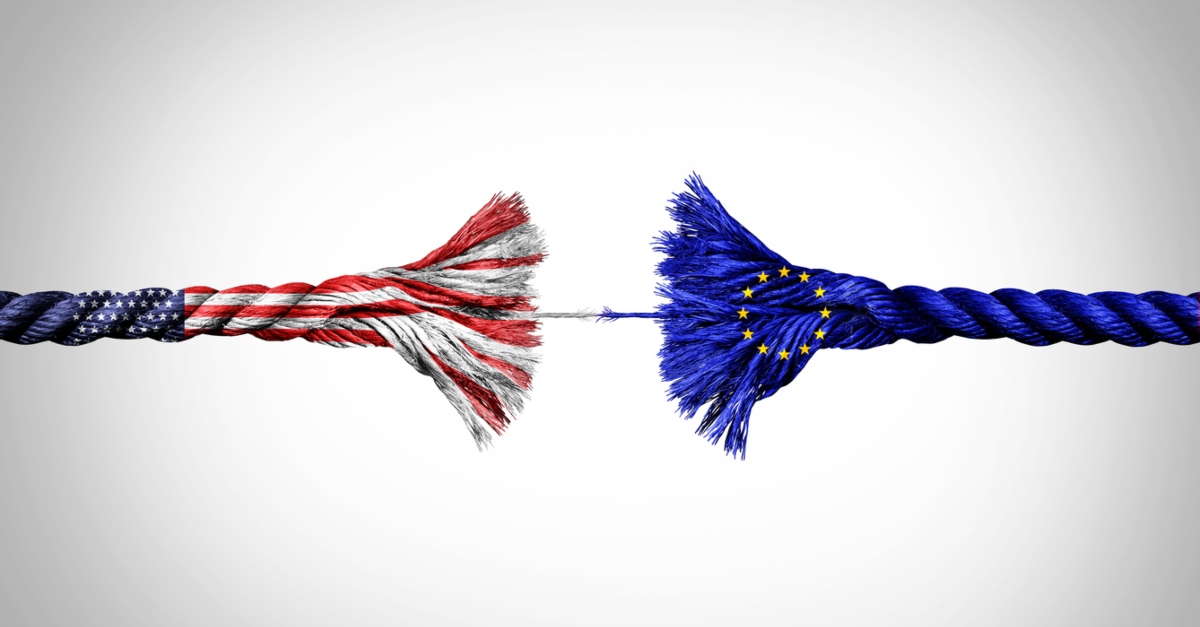
Is the EU at war with the US or with itself?

The claim that the EU is “at war” with the US sounds hyperbolic at first glance. Washington remains Europe’s principal security guarantor, its largest external trading partner and (through NATO) the backbone of continental defence. Yet, beneath the formal architecture of alliance, a more corrosive dynamic has emerged. Policy choices taken in Brussels and several

Is the EU at war with the US or with itself? Read More »

ARC and the powers determined to stop it

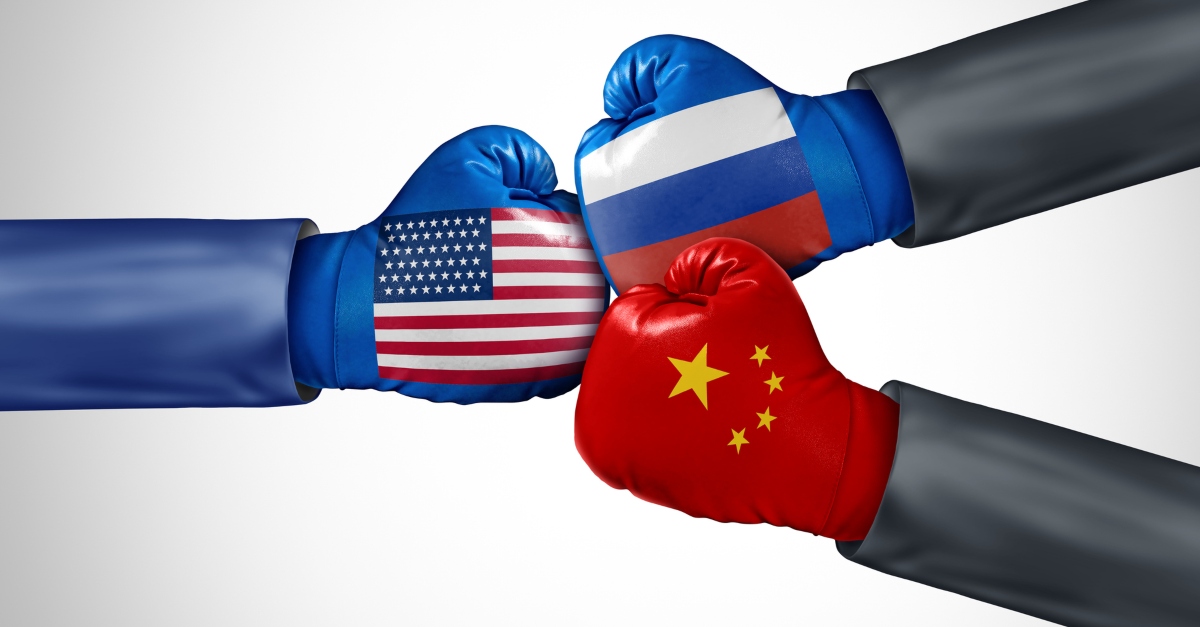
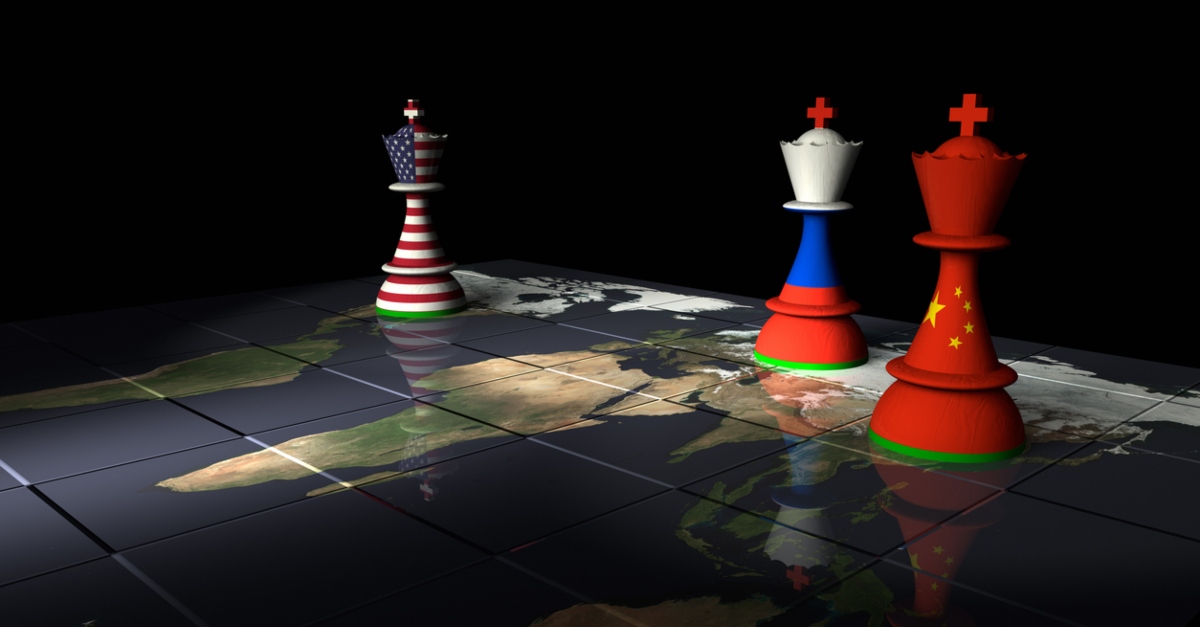
For the first time since the end of the Cold War, the world’s three largest powers (the US, Russia and China) are showing signs of drifting into a pragmatic triangular balance. It is not an alliance, and it is not ideological. It is, instead, the product of converging interests. Quiet US-Russia communications on energy and

ARC and the powers determined to stop it Read More »

The Birth of a Tri-polarity: ARC (America-Russia-China)

Over several months, a subtle but potentially significant geopolitical realignment has been unfolding. Less and less is being discussed publicly about BRICS, while quiet discussions are getting a little louder about the possibility of a de facto tripolar system among the US, Russia and China. This emergent formation (some geopolitics analysts are now calling it ARC) is not

The Birth of a Tri-polarity: ARC (America-Russia-China) Read More »

Poland’s call to end Russian oil by 2026: cascade effects in the EU

Poland’s call for the EU to end all imports of Russian oil by the end of 2026 represents one of the most assertive energy policy positions to emerge from within the bloc since the invasion of Ukraine. Warsaw’s call is rooted in a conviction that economic links to Moscow continue to undermine Europe’s geopolitical security

Poland’s call to end Russian oil by 2026: cascade effects in the EU Read More »

Scandium Stockpiling: the new minerals arms race

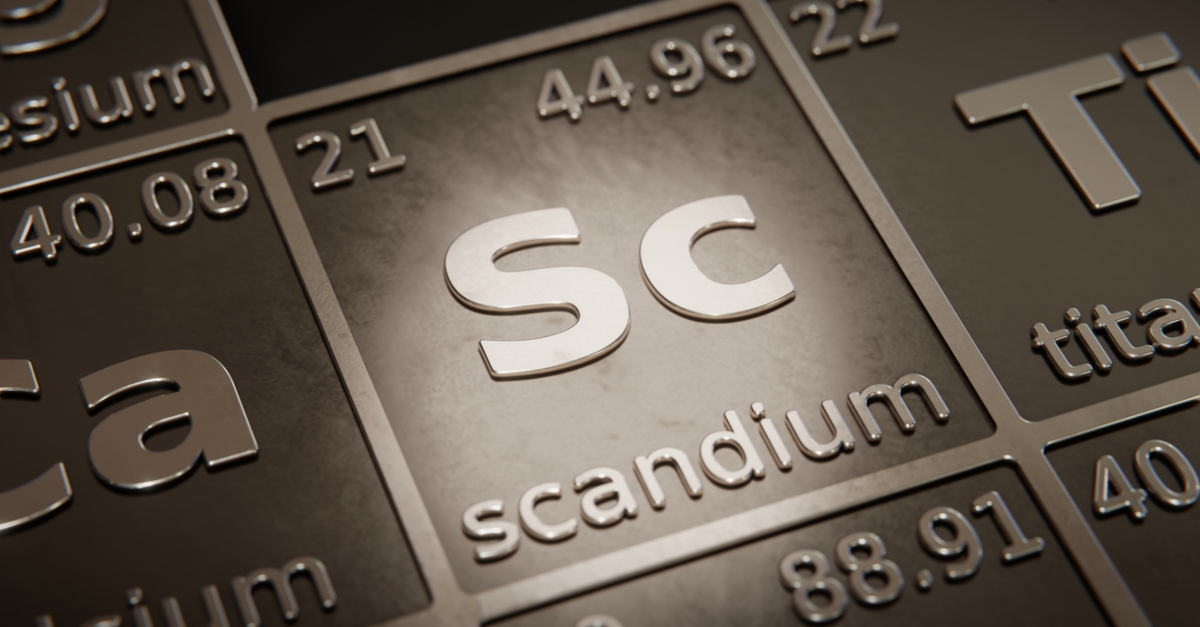
Scandium has quietly shifted from an obscure industrial input to a geopolitical bargaining tool. In mid-2025, Beijing brought it under its export licensing system, meaning buyers now wait longer and face tougher approvals. The EU reacted in July with a formal resolution criticising the move, underlining how even minor minerals are being pulled into bigger

Scandium Stockpiling: the new minerals arms race Read More »

Mongolia’s Rare Earth Strategy: balancing risks and rivalries

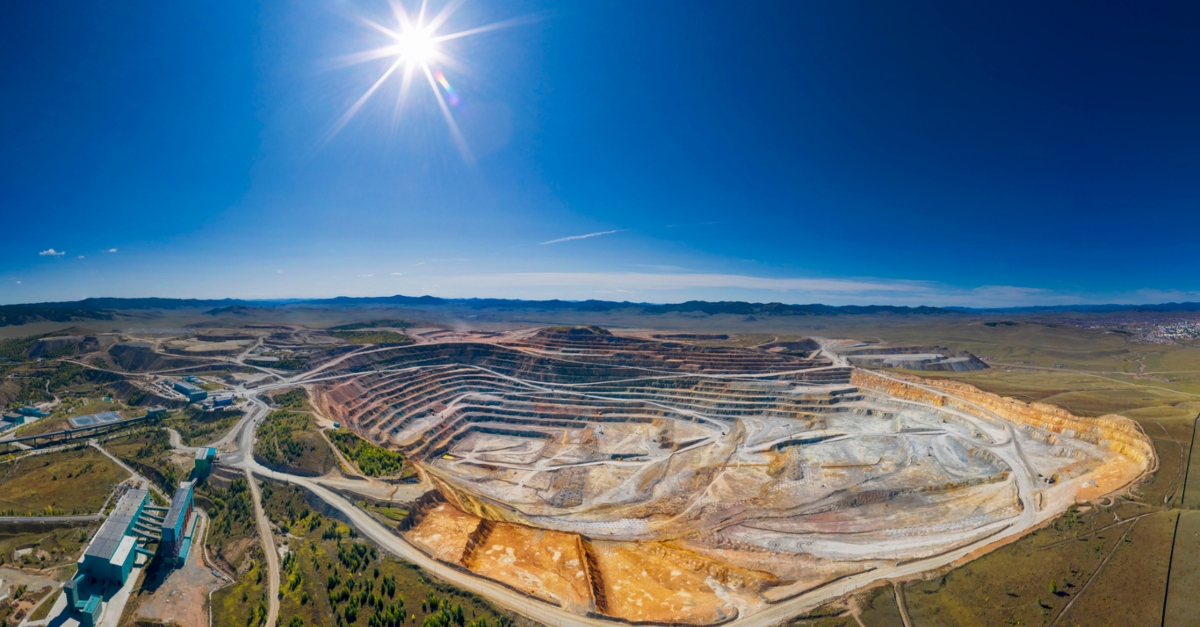
Wedged between China and Russia, Mongolia is often viewed through the prism of its geography: landlocked and dependent on its neighbours for access to global trade routes. Yet, beneath its deserts and steppes lies a resource base that has the potential to redraw supply chains for critical minerals. Copper, gold and rare earth elements make

Mongolia’s Rare Earth Strategy: balancing risks and rivalries Read More »

From Conflict Zone to Energy Hub: Mozambique’s LNG Gamble

In northern Mozambique, lies one of the world’s richest undeveloped gas basins, just offshore in a province still scarred by jihadist violence. Since 2017, the Cabo Delgado insurgency has claimed at least 4,600 lives and uprooted about a million residents, forcing TotalEnergies to suspend work on its flagship LNG complex in 2021. Fast‑forward to July 2025: Rwandan and

From Conflict Zone to Energy Hub: Mozambique’s LNG Gamble Read More »

Turkish Tales: why investors are looking again at Turkey

After an eighteen-month monetary overhaul, Ankara is finally putting a lid on the price spiral that peaked above 70 percent last spring. The OECD’s April survey notes that, provided interest rates remain restrictive and fiscal discipline holds, consumer inflation should sink to single digits by 2027, bringing Turkey back within striking distance of its long-forgotten

Turkish Tales: why investors are looking again at Turkey Read More »

Sanctions and Secondary Risks: lessons from Russia, Iran and China

Originally aimed at punishing specific nations, sanctions have evolved into a tool for influencing global behaviour, particularly in high-stakes countries like Russia, China and Iran. With the increasing complications of international trade and finance, sanctions have, for some time, not been limited to direct penalties on the targeted countries; they now extend to businesses, their

Sanctions and Secondary Risks: lessons from Russia, Iran and China Read More »

Scroll to Top